
ABOUT THE PROJECT
Women in Dialogue is a project born out of a belief in the power of women coming together to transform society.
We believe that, beyond political, religious, regional, or cultural differences, we can build a shared democratic agenda — one where every woman can dream and live fully.
RESEARCH
Women in Dialogue (2024)
What do brazilian women think?
We used complementary research approaches with women voters from every region of Brazil and across the political spectrum, to understand how women think about a range of political and social issues.

85%
of women support increasing women’s presence in Brazilian politics.
94%
of women agree that men and women should receive equal pay for equivalent roles.
77%
of women point to public safety and violence as Brazil’s top problems.
RESEARCH
Security in Dialogue (2026)
Women expanding what’s possible for public security
In a deeply polarized country, public security is one of the issues that most cuts across political lines among women. In 2026, we decided to go deeper.
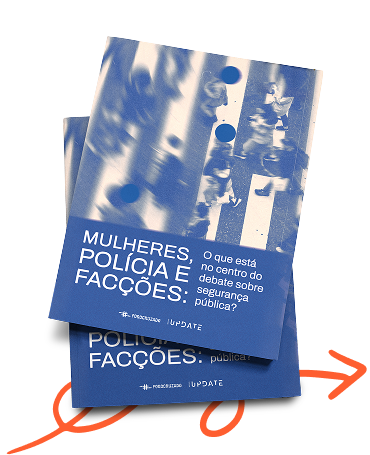
In partnership with Instituto Fogo Cruzado and Instituto Ideia de Pesquisa, we conducted the research “Women, Police, and Gangs: What’s at the Center of the Public Security Debate?”.
Security in Dialogue works to expand how we think about security in Brazil — widening who we see as agents of change, and the range of solutions we consider possible.
When we put women’s needs, experiences, and ideas at the center of the conversation, we build a safer Brazil for everyone.
92%
da população
concorda que mulheres
estão mais expostas à violência.
59%
das mulheres deixaram de frequentar lugares que gostariam por receio da violência.
70%
da população feminina acha que mulheres têm melhores soluções para a segurança pública.
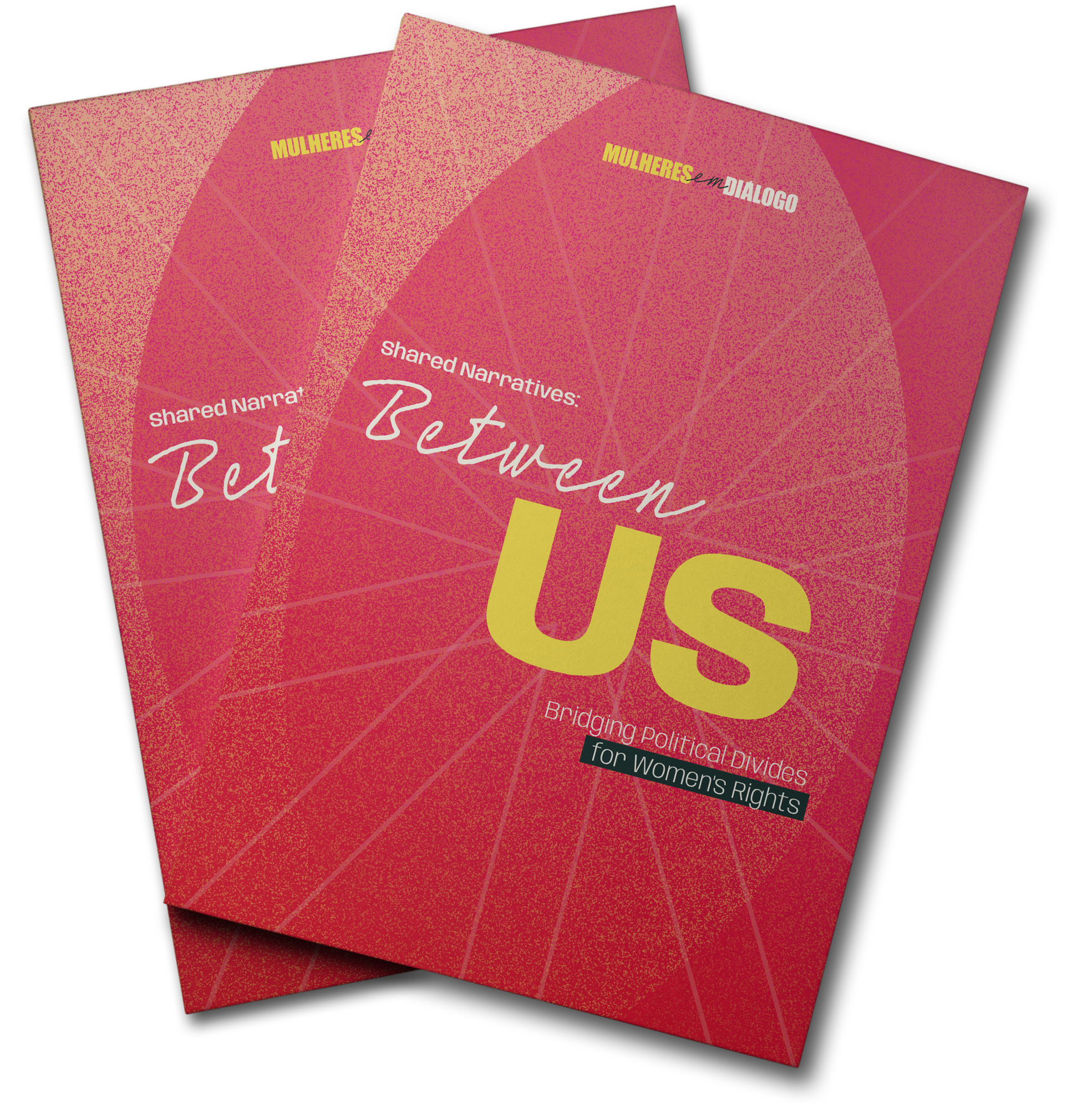
BETWEEN US: BRIDGING POLITICAL DIVIDES FOR WOMEN’S RIGHTS
A guide full of ideas for sparking conversations between women with different political, religious, and social perspectives. Built from listening to Brazilian women across every region of the country, it offers concrete communication strategies to advance rights without deepening divides.
SUPPORTERS